Dear Graham,
Remember when I told you about the magical evening when we watched hundreds of hermit crabs scurrying up the sand hills away from the sea? At first, we believed we had stumbled upon a rare and miraculous event — one of those fleeting moments nature sometimes offers as a secret gift.
But the very next evening, almost at the exact same time, we witnessed it again.
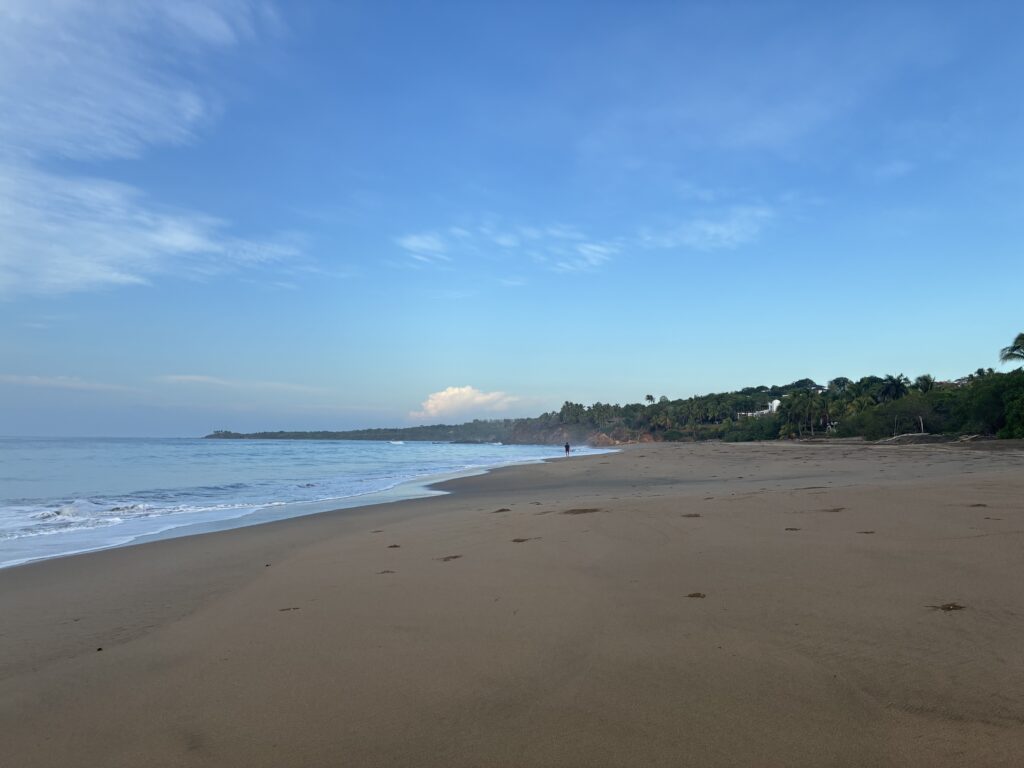
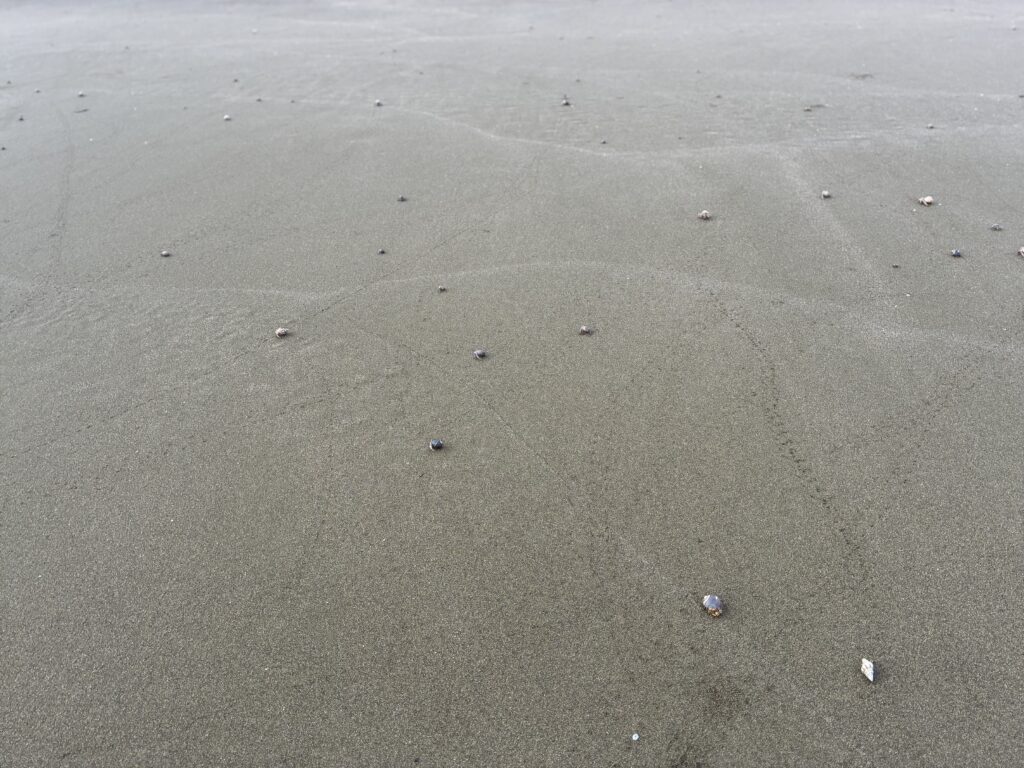
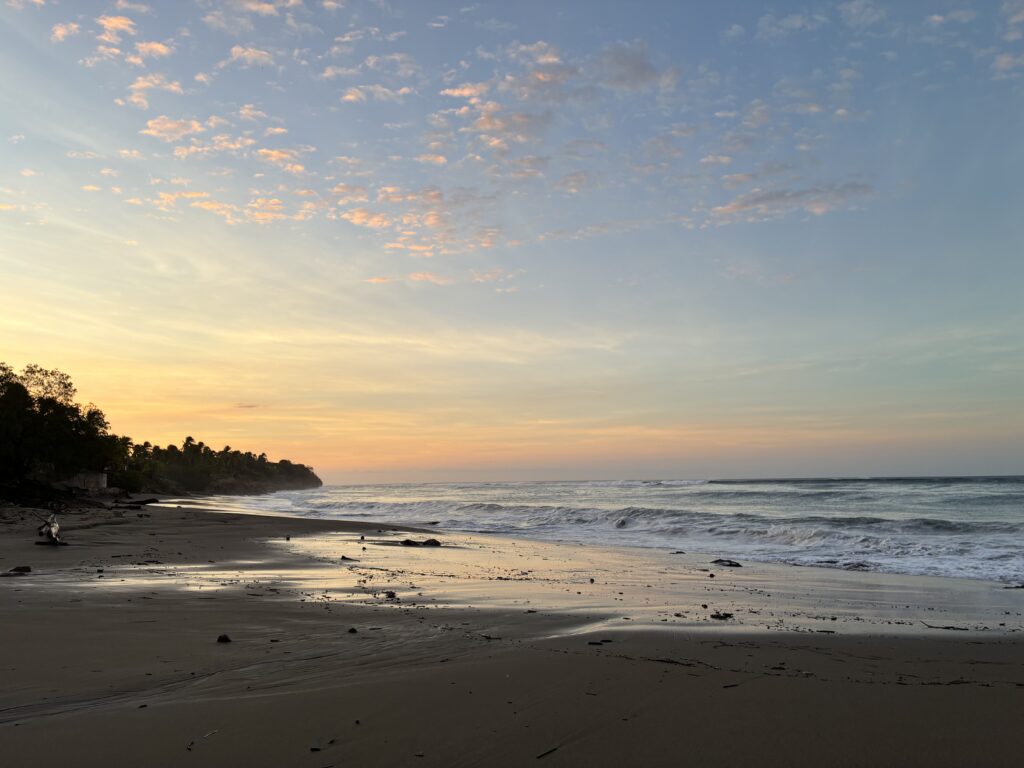
Around five o’clock, just as the tide was rolling in and the sky was softening toward dusk, we walked out to the beach and once more saw the strange and wonderful procession. Hundreds of tiny hermit crabs emerged from the shoreline and moved together up the sandy hill toward great humps of sand that appeared to serve as their nighttime refuge.
That was when we realized this was not a once-in-a-lifetime occurrence at all, but possibly a nightly ritual.
Every evening, as faithfully as the tide itself, these tiny travelers carry their shell homes up the beach in silent migration. An army of miniature wanderers crawled across the sand in remarkable order, each bearing a shell like a small piece of borrowed architecture upon its back. Some shells were delicate spirals painted in creams and pinks; others were smooth and deep brown, polished like river stones. No two were exactly alike. Each seemed to possess its own personality and history.
Watching them felt almost ceremonial — as if the beach itself came alive at dusk with a secret choreography humans rarely stop long enough to notice.
Naturally, we began to wonder about the shells. Did the crabs create them? Were they born with them? Or were these tiny homes discovered somewhere along the shore?
When we researched it later, we discovered something even more fascinating: hermit crabs do not make their own shells at all. The shells originally belonged to other creatures, usually sea snails. After the snail dies, the empty shell remains behind, and eventually a hermit crab moves in.
A hermit crab’s abdomen is soft and vulnerable, so the shell becomes its portable shelter — its armor, refuge, and home all at once. As the crab grows, it must search for a larger shell and abandon the old one. Sometimes several hermit crabs gather around an empty shell like eager buyers inspecting a piece of seaside real estate. Even more astonishing, scientists have observed “shell exchanges,” where one crab upgrades to a larger shell, leaving its old shell for another slightly smaller crab, creating a chain reaction of moving day along the beach.
Their shells are far more than decoration. A good shell protects them from predators, helps them retain moisture beneath the hot tropical sun, improves mobility, and even affects their ability to find mates. In rare moments when shells are scarce, some hermit crabs improvise with coconut husks, bottle caps, or bits of hollow debris — but natural shells remain their cherished first choice.
There was something deeply touching about watching these creatures carry borrowed homes across the sand each evening. It made me think about how many living things survive not through permanence or possession, but through adaptation — by learning how to make a home within what the world provides.
Perhaps that is part of nature’s quiet wisdom: every creature, no matter how small, searches for shelter, safety, and a place to belong. In different ways, all of us do the same. Years ago, Tom and I found ours in the mountains of Colorado, and now again beside the sea at Destiladeros. And recently, you and your parents began the next chapter of your own lives when you moved into your new home in Canada. Watching those tiny hermit crabs somehow made me think of all of us — carrying our lives forward, searching for the places where we feel most at peace.
With Love,
CC